Enjoy Freddie Mercury & Montserrat Caballe on “How can I go On”, from the album, Barcelona. Freddie wrote 12 songs that they recorded together including the opening song for the Winter Olympics in Barcelona, Catalonia.
OPERA SINGERS
Understanding Italian Opera
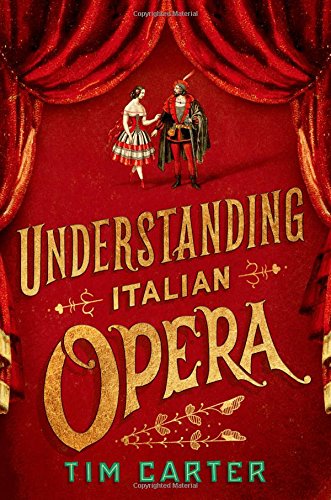
Opera is often regarded as the pinnacle of high art. A “Western” genre with global reach, it is where music and drama come together in unique ways, supported by stellar singers and spectacular scenic effects. Yet it is also patently absurd — why should anyone break into song on the dramatic stage? — and shrouded in mystique.
In this engaging and entertaining guide, Understanding Italian Opera, renowned music scholar Tim Carter unravels its many layers to offer a thorough introduction to Italian opera from the seventeenth to the early twentieth centuries.
Maria Callas, The Exhibition: The Life Of La Divina On Display In Verona
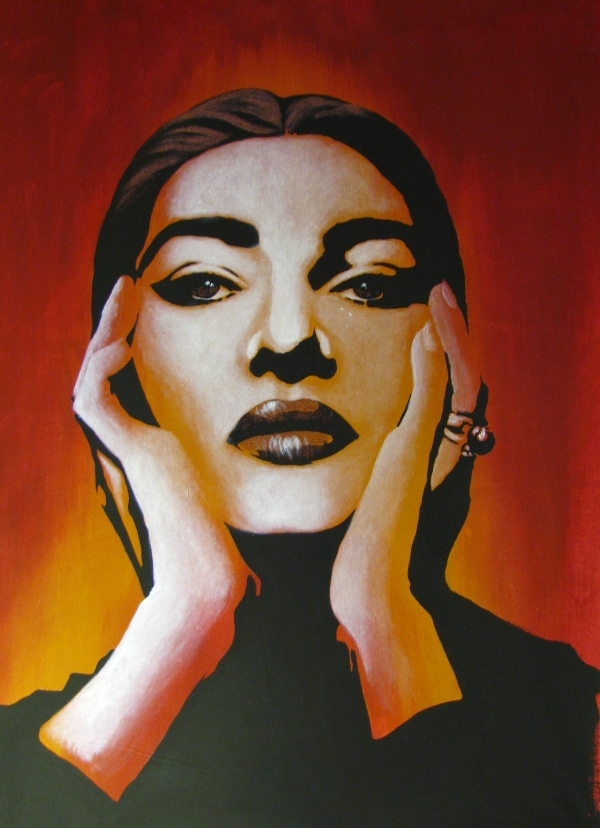
Maria Callas: The Exhibition in Verona, runs throughout the summer opera season until 18 September 2016. It is the largest such exhibition dedicated to La Divina and contains artefacts from her personal as well as professional life.
Photography by Morgan Lefay Art.
(via)
Why Do Opera Audiences Boo?
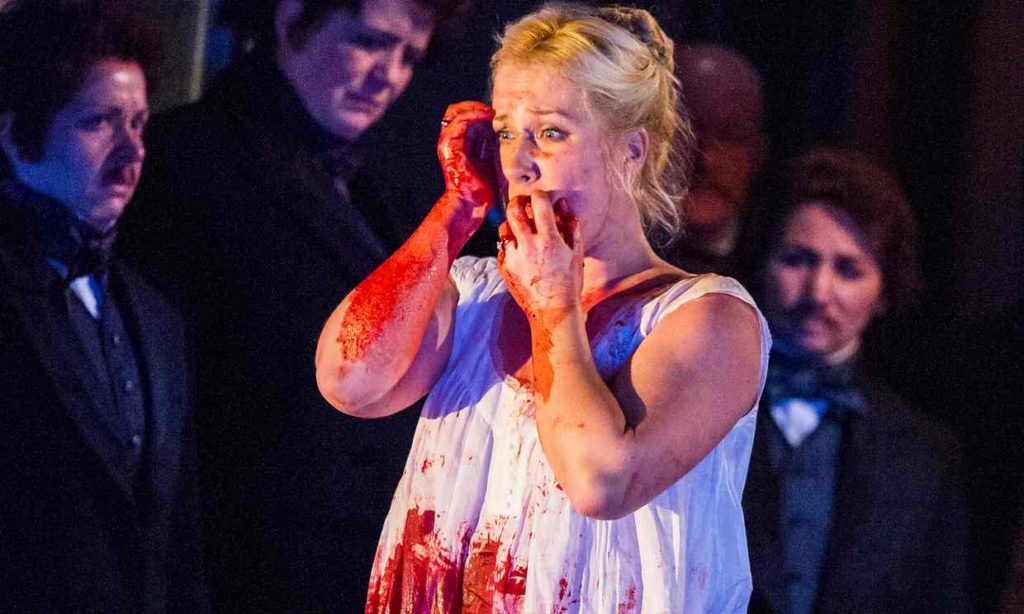
Last Thursday, in a new production of Lucia di Lammermoor at the Royal Opera House, directed by Katie Mitchell, themes such sex, miscarriage, murder, insanity and suicide were greeted with boos from some of the audience.
Booing new productions is nothing new, especially in Italy–where opera is a blood sport as well as an art–but why isn’t considerate acceptable for audiences to demonstrate their feelings?
Yvonne Roberts, journalist at The Guardian, writes,
If a musical, play or opera is intended to make an audience think, then, presumably, members of an audience are entitled to think differently, so why can’t this be articulated?
Given the plethora of productions that have the label “thought-provoking” slapped on them, isn’t it time to return to a little more genuine interaction? Of course, this should show some manners. It is not to be confused with a single individual in the balcony, two sheets to the wind, who heckles through Othello as enthusiastically as a seven-year-old at a production of Jack and the Beanstalk. “Look out, Desdemona! He’s behind you!”
Photograph by Tristram Kenton.
Vocal Warm-Ups For Actors (And Singers)
The importance of warming-up
Vocal warm-ups are one of the key essentials to protecting yourself from injuries, such as vocal nodules (nodes) or polyps. Just like an athlete wouldn’t begin a game without stretching first, you shouldn’t sing without properly preparing your body for the stress that singing can put on your voice.
5 Steps for successfully warming up your voice from the National Theatre:
Vocal Warm-Up #1: Start off slow:
BREATHING
Vocal Warm-Up #2: Check those resonators
RESONANCE
Vocal Warm-Up #3: Focus your sound and open your voice
OPENING UP THE VOICE
Vocal Warm-Up #4: Test your articulators
ARTICULATION
Vocal Warm-Up #5: Putting it all together
Speak some of your most troublesome lines of texts to someone else in the room, or to a mirror if you’re by yourself. What’s the use of warming up if you don’t apply it to the text you have to sing or speak?
(via)
How To Unwire The Demons Of Stage Fright

Miranda Wilson talks about stage fright and shares two pieces of research on how to deal with performance anxiety.
In my career as a cellist and a professor of cello, I’ve noticed something happening again and again. A performance–my own or someone else’s–is going reasonably well, and then an unexpected mistake changes everything. It might be a wrong note, a badly missed shift, a momentary memory lapse.
In the split second after the mistake, things can go two ways.
- There’s a possibility that you recover, and the rest of the concert goes without incident.
- But the greater possibility, especially with inexperienced players, is that you withdraw into yourself. Your stance hunches or stiffens as you berate yourself over and over for your mistake. The concert goes on in the present, but you’re stuck in the past, obsessing about what went wrong.
→In her follow-up book, Presence, Cuddy shows us that when you adopt a powerful stance, such as standing with your feet planted apart and your hands on your hips, actual chemical changes occur in your body that improve your performance.
Before concerts, I stopped practising up until the last second, and instead just stood backstage with my hands on my hips, feeling the natural power of my stance surge through my body. My breathing seemed to deepen. My self-sabotaging tension–always the worst symptom of my anxiety–seemed, if not completely gone, at least lessened.
→At around the same time, I read a peer-reviewed study on the subject of performance anxiety by Alison Wood Brooks of the Harvard Business School. In this game-changing experiment, Brooks asked groups of students to perform a number of tasks that most people find anxiety-provoking: to sing in front of an audience, to compose and deliver a speech, and to take a math test. One group of students were told to try to be calm. Another group had no specific instructions for how to feel. Another were told to reappraise their anxiety as excitement. Woods evaluated her groups in a number of ways, from measuring their heart rates to rating their performances. The result in every case was that the “calm” group didn’t do much differently than the control group. The “excited” group, however, fared significantly better. This information changes everything for us performers.
Every time I had a little slip in that concert, instead of my usual self-berating response, I redirected my focus to “I’m excited. Excited that these people showed up to hear me play music I love.”
Mistakes, after all, are in the past. We can do nothing about them now. There’s no do-over, no rewind button, no time machine. It happened, and the choice is yours: you can sit there in the past with your mistake, or you can reframe your feelings and stay in the present with the music.
Photograph by Phil Knights.
(via)
The Importance Of Proper Breathing
