


(via)
(via)

What exercises can I do with it?
(via)

Know the Counts
In many group pieces, the counts are the glue that holds the piece together. Solidifying the counts in the dancers’ brains should be the first step in cleaning a piece, as it creates a framework for the rest of the cleaning. In order to make sure all dancers are in unison, or on the same count, take the piece one section (say 32 counts) at a time. Have the dancers perform the choreography while counting out-loud, and listen for dancers who are off or unsure.
Break it Down
Performing a choreographed dance requires the coordination of many different elements. To solidify each, run the piece a few times, each time focusing on a different element. For example, do one run with only arms, do a second run with only formations and focus. Breaking the piece down like this will allow you to fine-tune these elements with less distraction.
Take Notes
Always watch a piece with a pencil and paper. Don’t yell notes at your dancers: often, this just causes confusion. Instead, write down corrections. Draw a line in the middle of your page. On the left side, write down individual notes and quick fixes (i.e. an incorrect arm position on a single dancer). On the right side, write more “big picture” issues, such as a messy unison section.
Talk it Out
The suggestions above deal with the technical side of a piece, but what about the artistry? I like to have at least one “sit down” conversation with my dancers about each piece. I give them a framework of why I choreographed the piece, what my inspiration was, and what I want them to portray. I then allow them to engage in a discussion with one another about what the piece means to them, and what they feel they portray. This facilitates a more personal connection between the dancers and the piece.
(via)
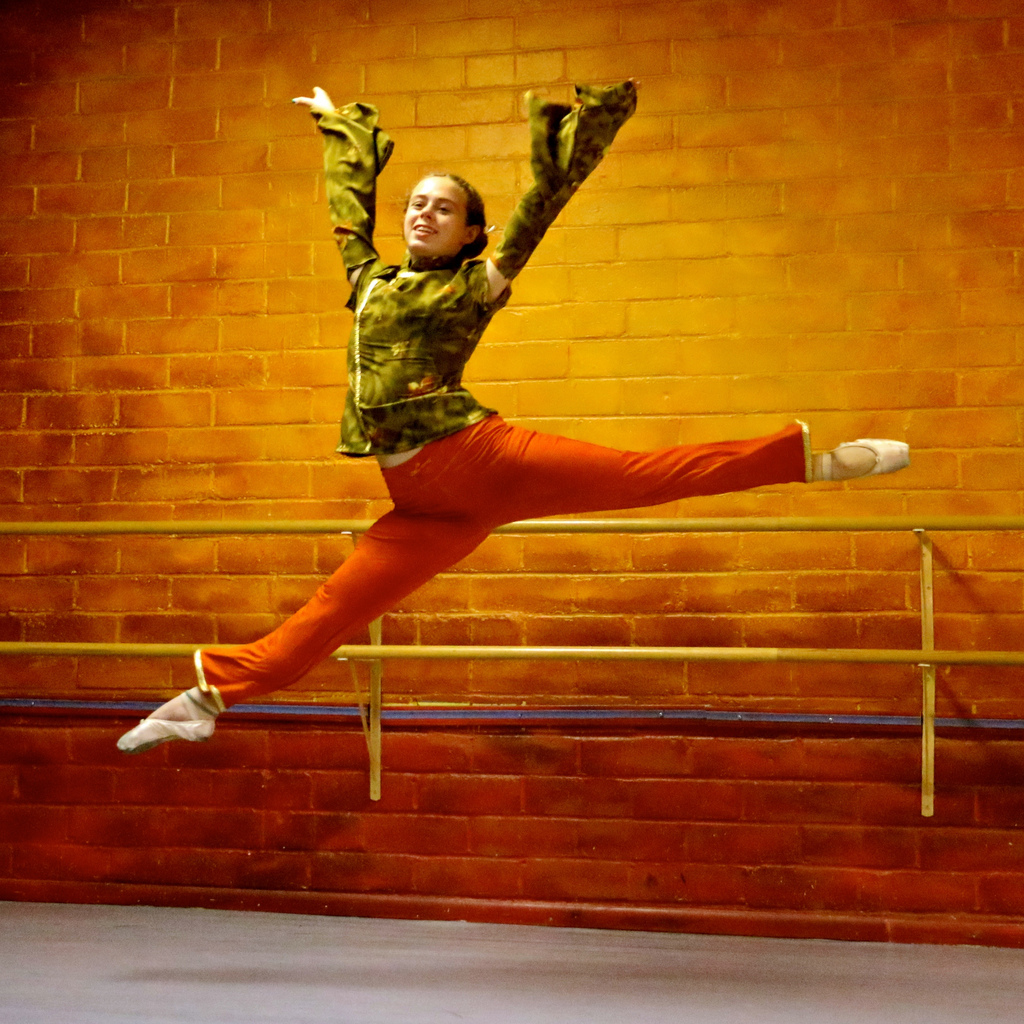
What are some ways to do that and take responsibility for learning in dance class?
- Arrive early
- Come prepared
- Practice proper dance class etiquette
- Stay focused
- Take and apply corrections and direction
- Ask and listen to questions and really absorb the answers
- Take notes
- Think ahead
- Spend more time on the things that need work than the things that don’t
- Be eager to revisit the basics
- Listen to your body and keep it in top form with cross-training or conditioning
- Develop professional relationships with your teachers and mentors
- Find great teachers you can trust and then actually put your faith in their methods
Photograph by Chicbee04
(via)
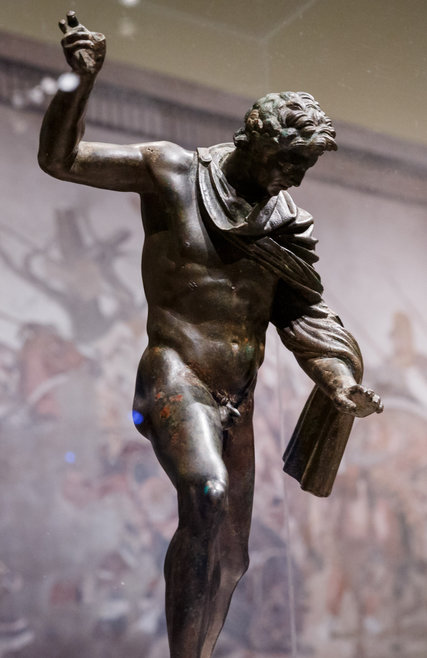
Pergamon and the Hellenistic Kingdoms of the Ancient World
The Metropolitan Museum of Art

Edgar Degas: A Strange New Beauty

The Folk Art Collection of Elie and Viola Nadelman
(via)
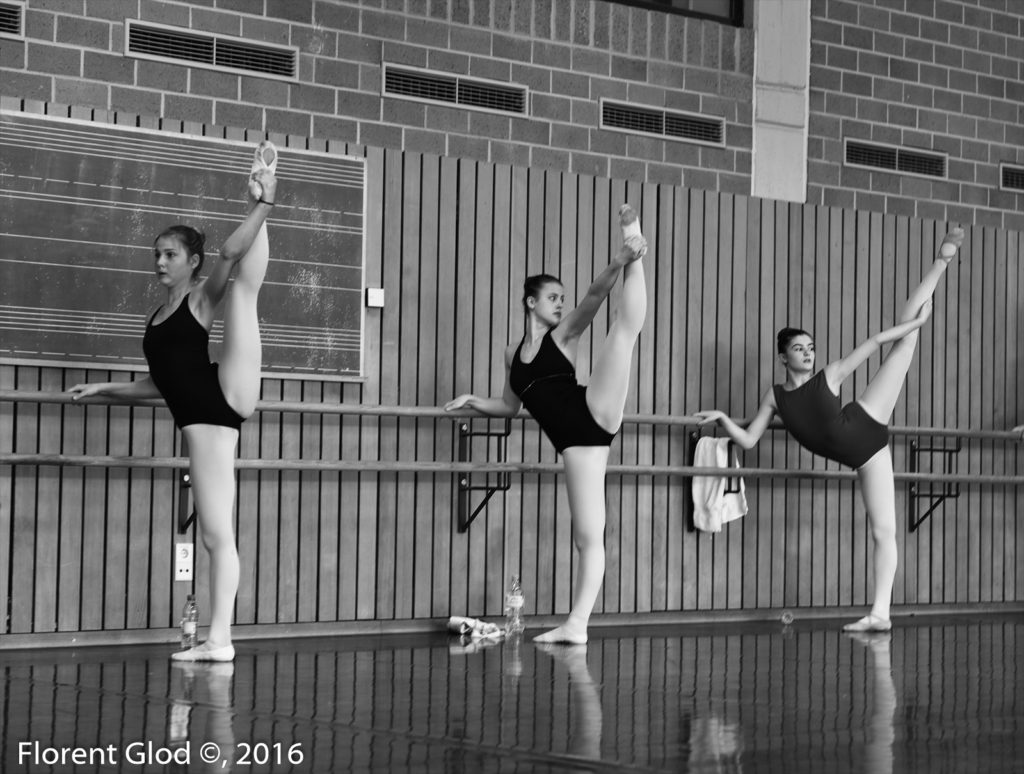
Shate’L. Edwards is a professional choreographer and dance educator in Dallas, TX. She gives us 3 life lessons her students learn in dance class.
1. Embrancing risks
One of the main concepts I reinforce is the importance of taking risks and pushing yourself to grow. I teach tons of hip-hop classes, and while the idea of dancing to your favorite songs in class sounds fun, you’d be surprised how fear takes over once they realize they’re actually learning stylized movement and are charged with the ever-so-dreaded task of freestyling.
2. The importance of progress over perfection
It’s in those moments, I must remind them that they didn’t all start at the same place, and therefore shouldn’t be expected to perform at the same levels. I talk a lot about not comparing yourself to others and about learning to be comfortable where you are. And wouldn’t you know, even with all of my experience and credits, I’m still learning to take my own advice in that area.
3. Not fearing failure
Finally, at least within the confines of this article, I emphasize to students that there is life after their mistakes. I notice that fear of failure causes students to either quit once they’ve made a mistake, or decide not to try at all. I’m sure you’ve seen it too. When it’s time to perform the combination in groups, there are always a few who completely freeze after a mistake or those who conveniently need to excuse themselves to the restroom.
Photograph by Florent Gold
(via)