• Skip to primary navigation
  • Skip to content

RESPIRO E MOVIMENTO®

DISCOVER YOUR REAL POTENTIAL

  • Book a session
  • Events
  • Testimonials
  • Blog
  • Gallery
  • Media
  • Contact

DANCERS

Intuitive Eating Is Good For Dancers

April 14, 2016 By Respiro E Movimento · Follow us: Facebook · Twitter · Instagram · YouTube


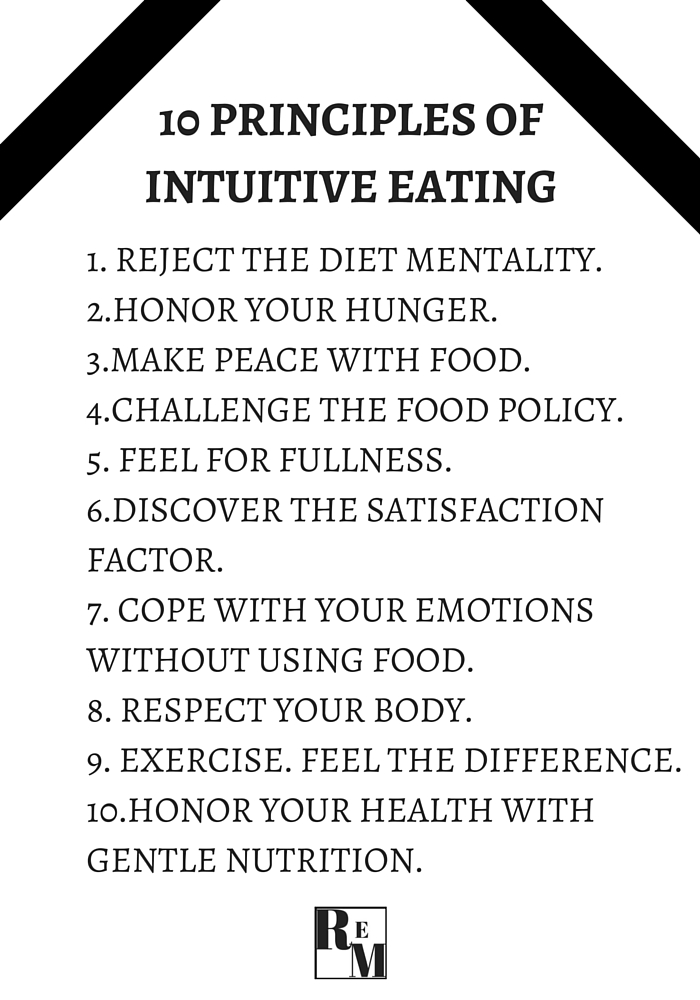
10 Principles of intuitive eating


Intuitive Eating is an approach to food and diet created by dieticians Evelyn Tribole and Elyse Resch, that utilizes your bodies’ awareness and understanding of its’ own internal cues for hunger, satiation and cravings, in order to guide food and diet choices. Here are the 10 Principles of Intuitive Eating. They will help you become a healthier, happier, and more aware dancer.

(via)

Filed Under: BALLET DANCERS, DANCERS, INTUITIVE EATING, NUTRITION

How To Unwire The Demons Of Stage Fright

April 12, 2016 By Respiro E Movimento · Follow us: Facebook · Twitter · Instagram · YouTube

fright stage

Miranda Wilson talks about stage fright and shares two pieces of research on how to deal with performance anxiety.

In my career as a cellist and a professor of cello, I’ve noticed something happening again and again. A performance–my own or someone else’s–is going reasonably well, and then an unexpected mistake changes everything. It might be a wrong note, a badly missed shift, a momentary memory lapse.

In the split second after the mistake, things can go two ways.

  1. There’s a possibility that you recover, and the rest of the concert goes without incident.
  2. But the greater possibility, especially with inexperienced players, is that you withdraw into yourself. Your stance hunches or stiffens as you berate yourself over and over for your mistake. The concert goes on in the present, but you’re stuck in the past, obsessing about what went wrong.

→In her follow-up book, Presence, Cuddy shows us that when you adopt a powerful stance, such as standing with your feet planted apart and your hands on your hips, actual chemical changes occur in your body that improve your performance.

Before concerts, I stopped practising up until the last second, and instead just stood backstage with my hands on my hips, feeling the natural power of my stance surge through my body. My breathing seemed to deepen. My self-sabotaging tension–always the worst symptom of my anxiety–seemed, if not completely gone, at least lessened.

→At around the same time, I read a peer-reviewed study on the subject of performance anxiety by Alison Wood Brooks of the Harvard Business School. In this game-changing experiment, Brooks asked groups of students to perform a number of tasks that most people find anxiety-provoking: to sing in front of an audience, to compose and deliver a speech, and to take a math test. One group of students were told to try to be calm. Another group had no specific instructions for how to feel. Another were told to reappraise their anxiety as excitement. Woods evaluated her groups in a number of ways, from measuring their heart rates to rating their performances. The result in every case was that the “calm” group didn’t do much differently than the control group. The “excited” group, however, fared significantly better. This information changes everything for us performers.

Every time I had a little slip in that concert, instead of my usual self-berating response, I redirected my focus to “I’m excited. Excited that these people showed up to hear me play music I love.”

Mistakes, after all, are in the past. We can do nothing about them now. There’s no do-over, no rewind button, no time machine. It happened, and the choice is yours: you can sit there in the past with your mistake, or you can reframe your feelings and stay in the present with the music.

Photograph by Phil Knights.

(via)

Filed Under: ACROBAT, BALLET DANCERS, BREATH, DANCERS, OPERA SINGERS, PERFORMANCE ANXIETY, SINGERS

Ballet Costumes

April 12, 2016 By Respiro E Movimento · Follow us: Facebook · Twitter · Instagram · YouTube

Giselle


Don Quixote


Swan Lake

Three beautiful costumes illustrations which include the name of the ballet, the choreographer, the ballet’s premiere location, and the year it premiered. See the chronological infographic that display ballet costumes of 40 classical ballets.

Filed Under: BALLET, BALLET DANCERS, DANCE, DANCERS, DON QUIXOTE, GISELLE, ILLUSTRATIONS, SWAN LAKE

The Physics Of A Fouetté, The ‘Hardest Move’ In Ballet

April 11, 2016 By Respiro E Movimento · Follow us: Facebook · Twitter · Instagram · YouTube

In the third act of “Swan Lake”, the Black Swan pulls off a seemingly endless series of turns, bobbing up and down on one pointed foot and spinning around and around and around … thirty-two times. How is this move — which is called a fouetté — even possible? Arleen Sugano unravels the physics of this famous ballet move.

Filed Under: BALLET, DANCE, DANCERS, PHYSICS, SWAN LAKE, VIDEO

Teaching Dancers To Use Breath To Enhance Their Dancing

April 8, 2016 By Respiro E Movimento · Follow us: Facebook · Twitter · Instagram · YouTube

ballerina breathing

Chelsey Bradley, a contemporary dance teacher, explains how dancers can connect their breath to their movement, by doing some improvisational breath exercises.

They can be done singularly at the end of a modern or contemporary class, or could be extended into a longer workshop.

Individual Exercise: Using Breath in Movement

Spread the dancers out in the space. Play soft music that the dancers can hear you speak over. Then, ask them to improvise movements while coordinating audible breathing. Encourage the dancers to experiment with the way they breathe, such as varying the speed of inhalation and exhalation, pushing air out in contrast with pulling air in, and changing the pitch of their breath sounds.

Partner Exercise: Using Breath to Communicate

Pair your dancers up and spread the pairs out in the space. Again, play soft music that the dancers can hear you speak over. Then, ask the dancers to improvise movements while incorporating audible breathing in a conversation, or call and response, with a partner. One partner begins by improvising a movement that uses breath their partner can hear, and the second partner responds, also breathing out loud while improvising a movement. I like to encourage contact between the dancers during this exercise to form a more intimate connection between the pairings.

Photograph by Kristi Fräzier.

(via)

Filed Under: BREATH, DANCE, DANCERS, HEALTH, HEALTH TIPS

Vitamine D For Dancers

April 6, 2016 By Respiro E Movimento · Follow us: Facebook · Twitter · Instagram · YouTube

Selina Shah, MD, FACP,  a board certified sports medicine and internal medicine physician and the Director of Dance Medicine at the Center for Sports Medicine in San Francisco, CA and Walnut Creek, CA explains why our bones are important, especially for dancers.

As dancers, we place a lot of stress on our bones. This stress can lead to damage of bone tissue. However, luckily our body is designed to repair itself, so bones maintain their healthy structure by containing cells that remove damaged bone and replace it with healthy bone, also known as bone turnover.

In order to achieve the highest bone mass possible and to ensure healthy bone turnover, it is important for our bones to have the right ingredients. Dancers need have enough nutritional intake based on activity level, adequate calcium, and adequate Vitamin D. Without these, a decrease in bone density can occur, making a dancer susceptible to fractures and stress fractures.

The best source for Vitamin D is from the sun. Vitamin D is formed by cells in the skin layer. Sun exposure to form Vitamin D in the skin is inhibited by sunblock and decreased by clouds and pollution. Additionally, the darker the skin color, the longer daily exposure time to sun is needed for the cells in your skin layers to form adequate vitamin D. Generally speaking safe sun exposure (no sunblock for the time allotted as long as there is no risk of skin cancer by family or personal history of skin cancer) is best obtained between the hours of 10am – 3pm on the arms and legs for a minimum of 20 minutes per day depending on skin color and the latitude in which you live.

via 4 Dancers

Filed Under: DANCERS, HEALTH, HEALTH TIPS

  • « Previous Page
  • Page 1
  • …
  • Page 10
  • Page 11
  • Page 12

Copyright © 2026 · Respiro e Movimento®· All rights reserved

  • Facebook
  • Twitter
  • Instagram
  • YouTube