Interview: Richard Causton, Composer

Who or what inspired you to take up composing, and pursue a career in music?
I started playing the flute at quite a young age and, once I figured out how to read music I realised that I could put notes together how I wanted to and saw that this could be as much or more fun than just reading other people’s. This was possible only thanks to the free tuition and instrument loan that state schools offered back then: I was extremely lucky to attend the Centre for Young Musicians in Pimlico (then run by the Inner London Education Authority). Now, after many years, I am very happy to be an Honorary Patron of the CYM.
Who or what were the most significant influences on your musical life and career as a composer?
I think that, as a teenager, seeing Michael Tippett quite a lot at concerts – hearing new works by him and hearing him talk about them before the performance – had a huge impact on me. It was vital in making me realise that composers are living people and that their imaginations are shaped by the world we all live together in.
(via)
Anita Rachvelishvili – Sapho – O Ma Lyre Immortelle…
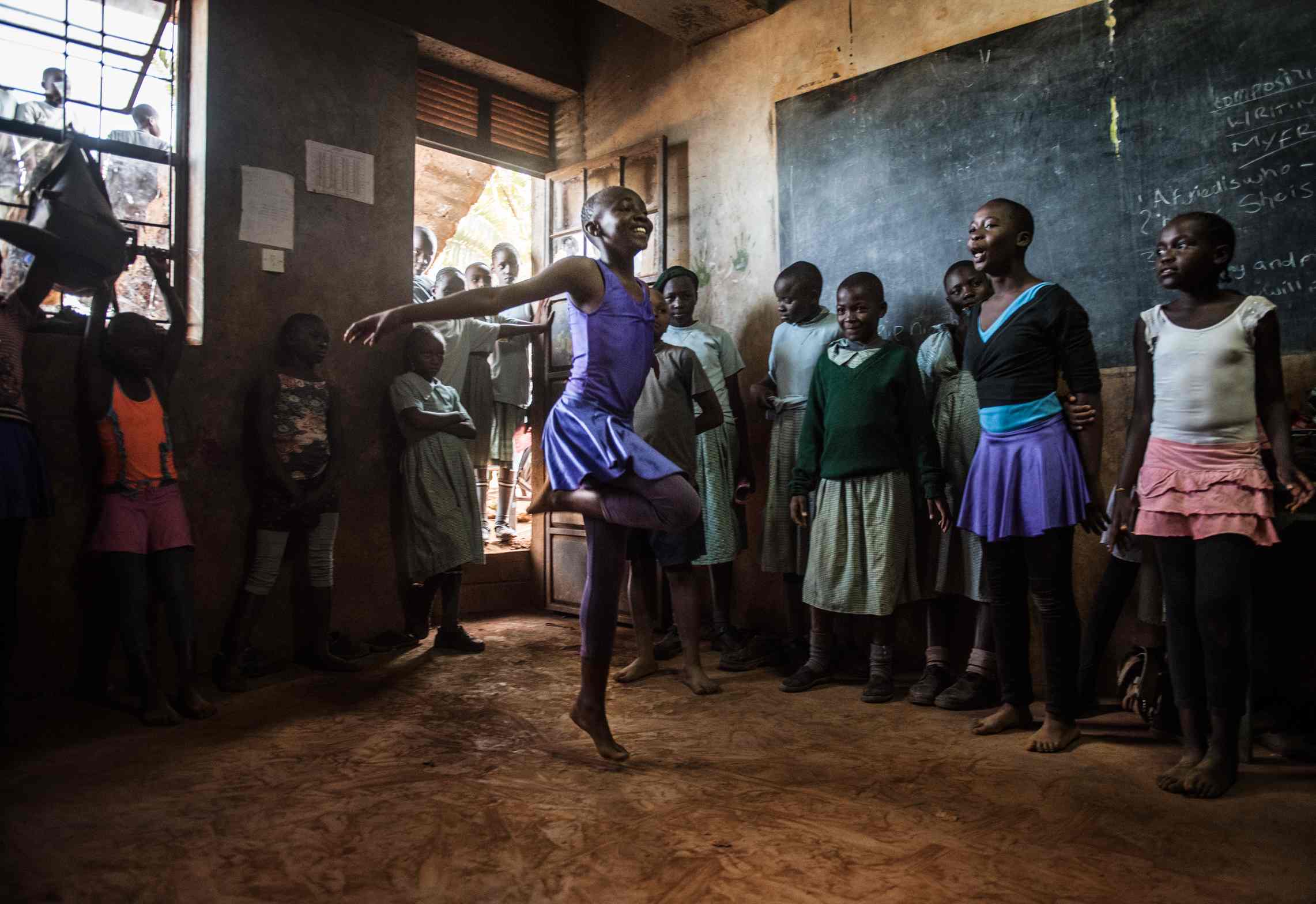
Photography: Kenya’s Slum Ballet School


Greta Gerwig’s Advice to New Actors: “Make your own things”
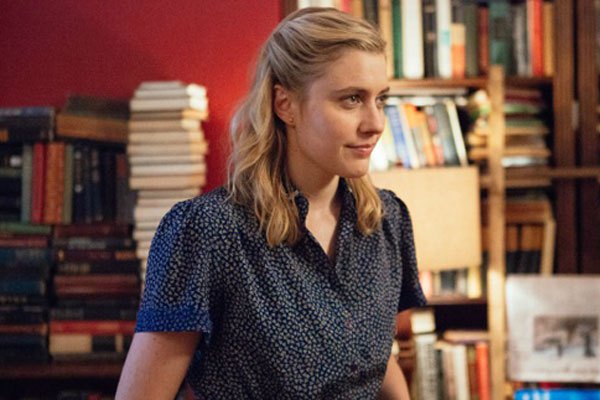
Greta Gerwig on Theater Acting: “There’s no equivalent in film. It’s so addicting”
Though she’s primarily known as an actress, Gerwig also works behind the camera. She has co-written the screenplays for films like Frances Ha and Mistress America, and she co-wrote and co-directed Nights and Weekends and wrote and directed the upcoming Lady Bird. One of her pieces of advice to actors is to follow that path by creating one’s own content. She says, “Make your own things. Even if it’s just a short play with friends or a movie you put up on YouTube, it helps you figure out how to make things and what you’re good at, and it gives you community quickly. I think you’ll get more from it than it takes from you.”
(via)
Ballet Basics: Small Jumps | Kathryn Morgan
Philip Glass and Javier De Frutos’s Les Enfants Terribles
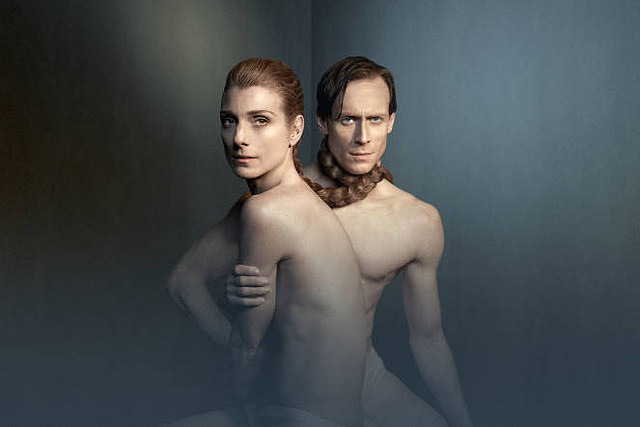
The story begins…
Brother and sister Paul and Lise grow up together in isolation. They begin a game, the nature of which transforms as their bodies mature. Their imagined reality begins to unravel as the real world intrudes, with disastrous consequences.
After Cocteau
Jean Cocteau wrote his influential novel Les Enfants Terribles in 1929, and in 1950 director Jean-Pierre Melville adapted the novel into a film. Nearly fifty years later in 1996 Philip Glass adapted the film and novel as the final element of his Cocteau trilogy. He collaborated with choreographer Susan Marshall to create a dance-opera, in which the action is shared between dancers and singers. Now, as part of global celebrations to mark Glass’s 80th birthday, choreographer and director Javier De Frutos creates a new production for The Royal Ballet at the Barbican.
⇒Les Enfants Terribles runs at the Barbican from 27–29 January 2017. Tickets are currently sold out on the Royal Opera House website, but more tickets have been released on the Barbican website.
(via)