Juliet – Tempe Town Lake Pedestrian Bridge, Arizona.
Juliet – Tempe Town Lake Pedestrian Bridge, Arizona.
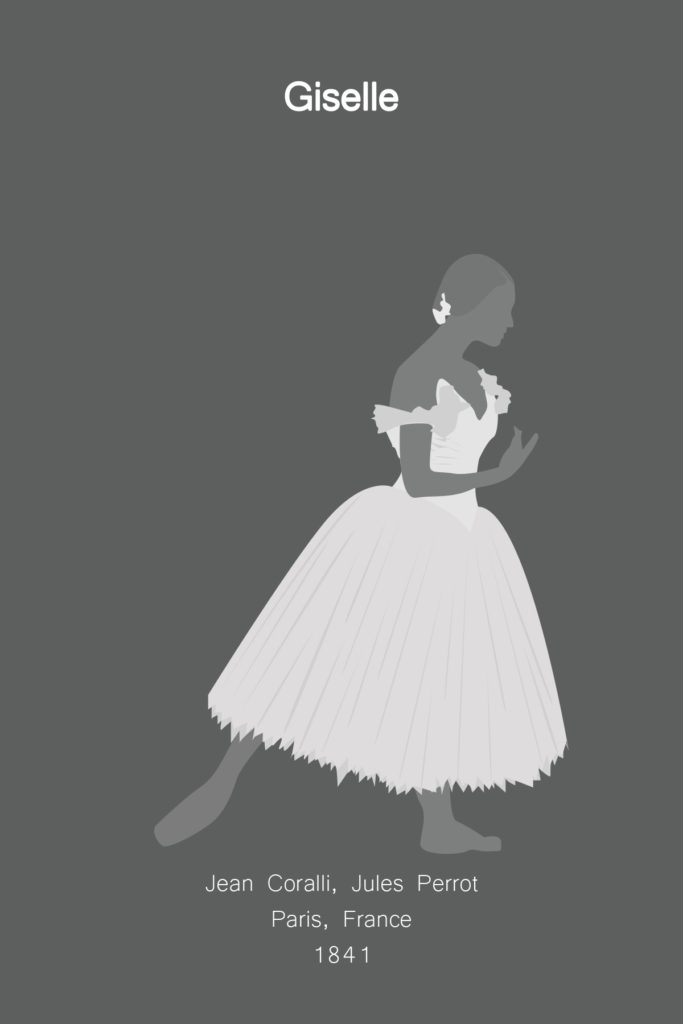


Three beautiful costumes illustrations which include the name of the ballet, the choreographer, the ballet’s premiere location, and the year it premiered. See the chronological infographic that display ballet costumes of 40 classical ballets.
In the third act of “Swan Lake”, the Black Swan pulls off a seemingly endless series of turns, bobbing up and down on one pointed foot and spinning around and around and around … thirty-two times. How is this move — which is called a fouetté — even possible? Arleen Sugano unravels the physics of this famous ballet move.

Chelsey Bradley, a contemporary dance teacher, explains how dancers can connect their breath to their movement, by doing some improvisational breath exercises.
They can be done singularly at the end of a modern or contemporary class, or could be extended into a longer workshop.
Individual Exercise: Using Breath in Movement
Spread the dancers out in the space. Play soft music that the dancers can hear you speak over. Then, ask them to improvise movements while coordinating audible breathing. Encourage the dancers to experiment with the way they breathe, such as varying the speed of inhalation and exhalation, pushing air out in contrast with pulling air in, and changing the pitch of their breath sounds.
Partner Exercise: Using Breath to Communicate
Pair your dancers up and spread the pairs out in the space. Again, play soft music that the dancers can hear you speak over. Then, ask the dancers to improvise movements while incorporating audible breathing in a conversation, or call and response, with a partner. One partner begins by improvising a movement that uses breath their partner can hear, and the second partner responds, also breathing out loud while improvising a movement. I like to encourage contact between the dancers during this exercise to form a more intimate connection between the pairings.
Photograph by Kristi Fräzier.
(via)