Every summer Piano. Push. Play. rescues pianos on their way to the dump and gives them to local artists to turn into new works of interactive art.
Barenboim Play Mozart Sonata D Major K.
Richard Wagner – Tristan und Isolde: Act II
Violist Kim Kashkashian: What I Would Tell My Younger Self
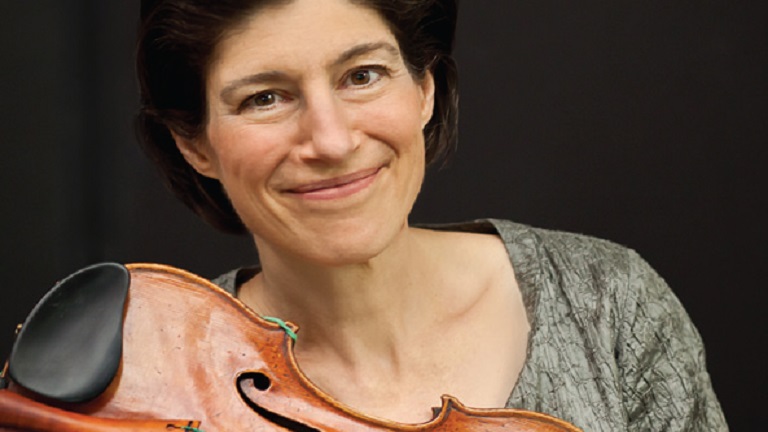
I once saw the composer György Kurtág teach a masterclass during which he reduced one student to a puddle of tears. His wife Márta, who was sitting in the audience, came up to him and said ‘György! György! Stop now!’ Only then did he see that the student was upset. ‘Why are you crying?’ he asked. ‘We’re just working on the music – we’re one musical family. Why are you crying?’ Once you can remove the personal and just concentrate on the music, you’ll be much happier and much more relaxed.
Recently my t’ai chi teacher told me, “You’re using too much desire and not enough intention.”Thinking that way opens a lot of doors because it gets rid of the personal – things aren’t tied to your feelings in the same way.’
(via)
Interview: Moonkyung Lee, Violinist

Who or what inspired you to take up the violin and make it your career?
I was five when I saw a violin for the first time. I was naturally drawn to it, and it became a part of me from that moment.
Who or what were the most important influences on your musical life and career?
My first violin teacher whom I met when I was 12. Before that, I didn’t really have teachers as I was just playing the violin for fun. After meeting him, I became serious about the instrument, and he actually made me realise that I, perhaps, could be good at this! He passed away about 20 years ago, but the memory of him is still held in my heart every moment.
What have been the greatest challenges of your career so far?
Leaving my 13-month-old son back home to make a recording with the London Symphony Orchestra in London. I used to love traveling all over the world for performances before, but since my son was born, I want to stay with him as much as possible.
(via)
Pre Ballet Class Feet Strengthening Routine | Kathryn Morgan
Octavia Spencer on Period Pieces

Speaking with The Hollywood Reporter, Spencer revealed her preparation for playing an African American woman in the Civil Rights Era. She explains, “It’s just difficult to shoot period movies when you’re a contemporary woman. History hasn’t been kind to black women, and at that time, we were just fighting to get our rights as citizens…. Playing in the ’60s, as a woman of modern times, is very difficult, at least for me. I always watch [civil rights documentary] Eyes on the Prize from beginning to end to understand the mental and physical moment in history. And so there won’t be any anachronisms, I don’t come out of the time period; I stay in it. I listen to music of the time and I only deal with family and friends that are on the film; I don’t go to the movies, and I don’t do anything that’s contemporary. I tend to isolate. I only come out of it when it’s time for me to wrap. It’s just a hard place to be, emotionally.”
(via)