BALLET
Proper Ballet Facial Expressions
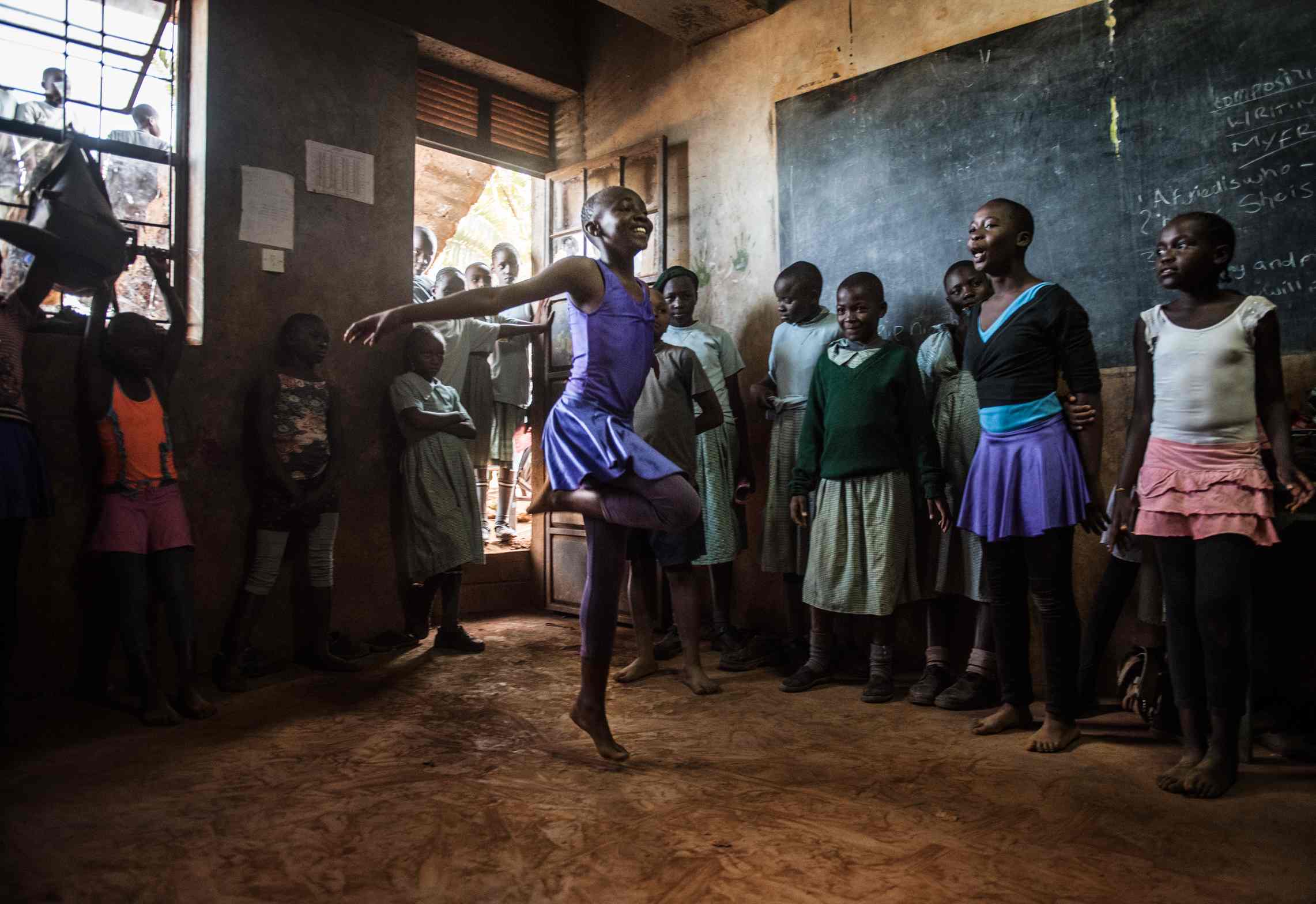
Photography: Kenya’s Slum Ballet School


Ballet Basics: Small Jumps | Kathryn Morgan
Making A Ballet Tutu
10 Things You Didn’t Know About Tutus

You see professional ballet dancers wearing them onstage. And this, you already know: they are beautiful, glittery, ethereal, like moving pieces of art. But like all things ballet, the illusion created supersedes the reality. Things are not as they seem in the magical world of tutus.
1) They’re expensive. A teenaged, pre-professional dancer entering a competition might pay $1000 for one. The average professional tutu costs around $2,000.
2) Dancers don’t wear tutus in ballet class. Sorry, little girls. Had to get that bad news out of the way first.
3) They’re difficult and time-consuming to make. Even when made by a professional, they can take up to three weeks, or between forty and sixty hours, to construct.
4) The tutu itself is just the poofy skirt. The bodice is usually sewn into the basque; there is an upper basque and a lower basque. A practice tutu is just the lower basque.
5) They can’t be washed. Well, certainly not between performances.
6) They aren’t particularly comfortable. We’re not talking a stretchy, Lycra kind of material.
7) They use a ton of material. Each tutu requires roughly 100 yards of tulle, a type of net fabric.
8) There are half a dozen types. Here are the main ones: Romantic (longer, diaphanous, covers knees; think Giselle and Les Sylphides); pancake (or classic), and powder puff.
9) A bodice has two or three rows of hooks and bars down the back so that the costume can fit more than one dancer.
10) Cleaning the costume with vodka? Of course! A fun fact I learned while researching this post: vodka acts like Febreze to get rid of body odor in fabric, without that fake, perfumey smell.
(via)