BALLET DANCERS
What Makes a Good Dance Score?
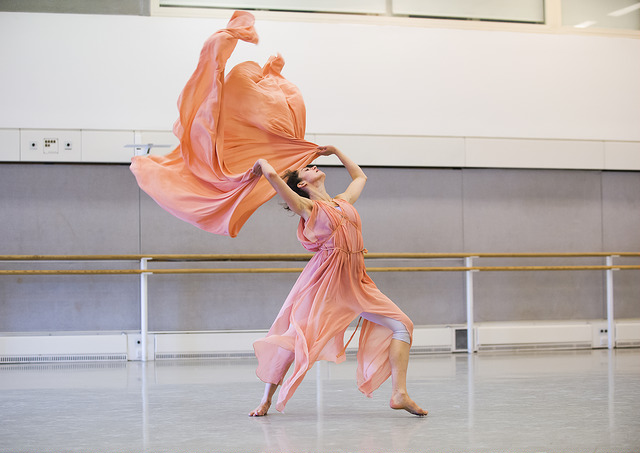
Romany Pajdak, First Artist of The Royal Ballet
There is so much soul and feeling in Tchaikovsky’s music, from joyous ecstasy to heart-rending sorrow and all the shades in between.
Koen Kessels, Music Director of The Royal Ballet
The relationship between choreographer and composer is key for a good ballet score.
Liam Scarlett, Artist in Residence, The Royal Ballet
The more you listen to Rachmaninoff’s music, the more you realize its complexity.
(via)
The Life of a Young Choreographer
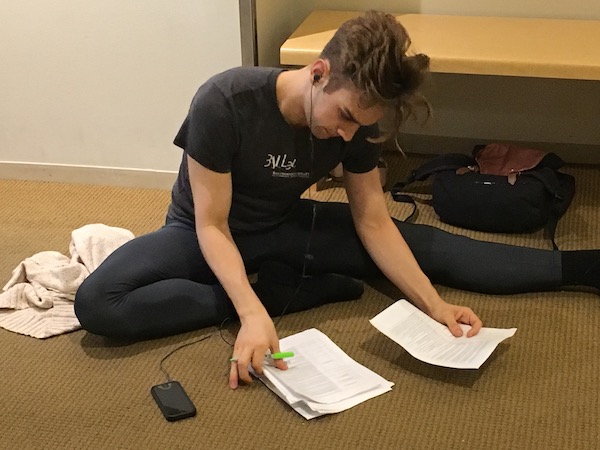
Myles Thatcher the young choreographer who in 2014 won a mentorship under Alexei Ratmansky (through the Rolex Mentor & Protégé Arts Initiative), continues to make waves at San Francisco Ballet.
“I like to make sure my hips and feet are warm so I can jump back into rehearsal after giving notes to dancers.”
“The movement [for Ghost in the Machine] is all set, so today we’re talking about the emotional intention behind a few of the moments in the ballet. Choreography is a continuous process, and I even changed some of the first movement the day of opening night.”
(via)
Julio Bocca Talks About His emotional 50th Birthday Gala in New York this Friday
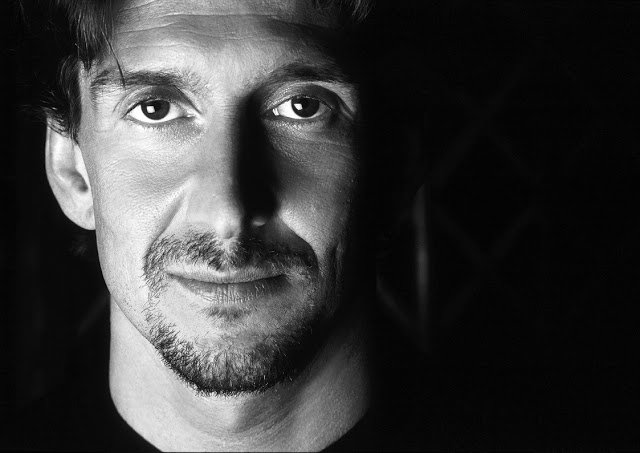
Youth America Grand Prix celebrates Julio Bocca on his 50th Birthday, as part of its Legends in Dance series, this Friday, 14 April.
For Bocca, returning to New York has a strong, emotional impact.
I’m staying at a hotel across the road from the Lincoln Center, where the gala will take place. Yesterday, I went onto the hotel’s terrace with a glass of champagne, and looked down on it with tears in my eyes as I have so many memories of dancing here.
I can only say thank you, as this city… this country… opened its arms to me when I was very young; an embrace that continued for twenty years! And now, again! To have something like this, now, here, ten years after I retired and just after my fiftieth birthday, right here in the Big Apple and at the Lincoln Center is just amazing. I’m feeling very excited and emotional.
(via)
How To Get Started In Ballet
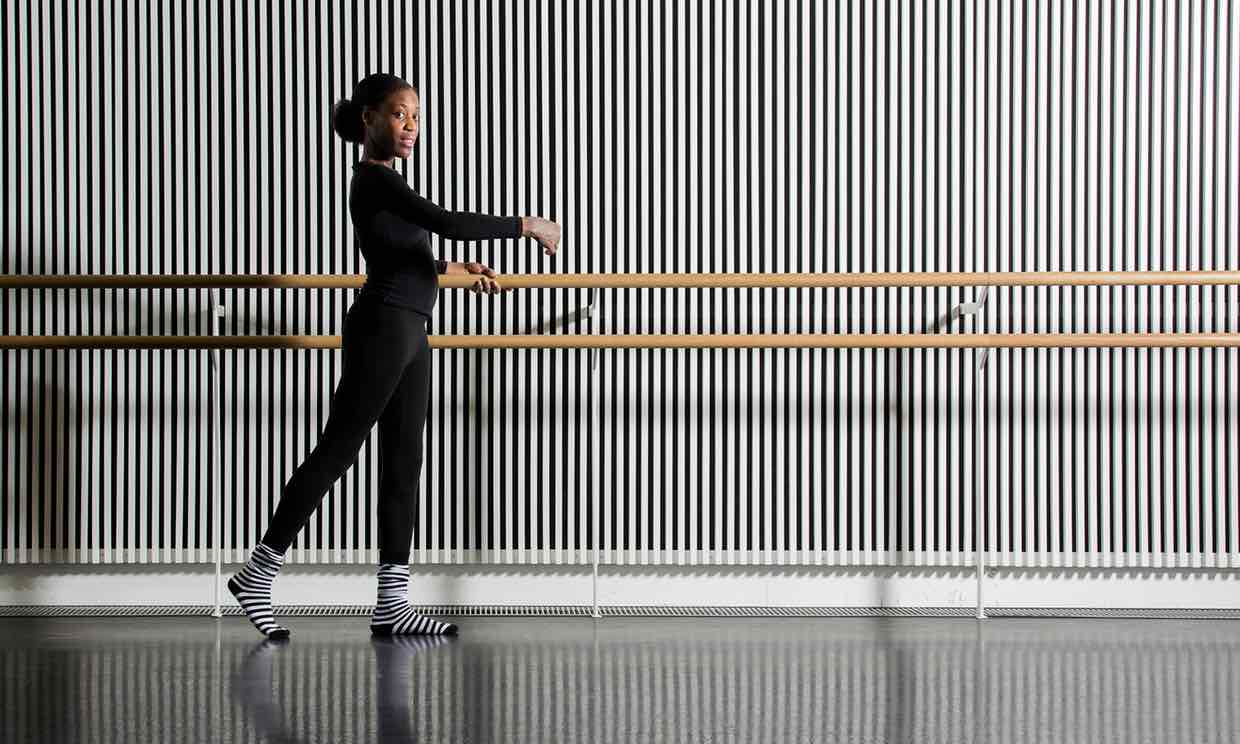
2 Flexibility, coordination and balance aren’t prerequisites – they come as a result of ballet. Worrying about trying ballet because you can’t touch your toes is like worrying about going to the gym because you don’t have a six-pack.
3 For most people, standing at the barre, being confronted with their reflection in the mirror can be quite scary. Try to let go of that self-consciousness. In time, looking in that mirror becomes as natural as brushing your teeth.
4 Wear what feels comfortable: tracksuit trousers or leggings and a top. Avoid baggy clothes that might trip you up.
5 One of the most basic steps is the plié. Stand with your heels together and toes pointing out to either side. Keeping your back in a neutral alignment and your chin up, bend at the knees, so they move over the centre of your toes.
(via)
Dealing with Corrections & Criticism | Kathryn Morgan
3 Lessons From Choreographer Liam Scarlett

1. Create Safety to Experiment
Scarlett says that a rehearsal should be a place to make mistakes, not be afraid of looking silly, and that when laughter arises in the process, the artists are “laughing with each other, not at one another.”
2. Filter Movement Through Emotion
Though Scarlett’s Vespertine is abstract, it’s all about feelings, specifically those reflecting the definition of “vespertine”– an “active, flowering, or flourishing in the evening.” (Merriam-Webster Dictionary)
Scarlett believes that, in dance, a glance can be more powerful than a virtuosic display like 32 fouettés.
3. Remember That Choreography Lives Through Performers
As a choreographer, Scarlett admits that he is sad when the creation process is over. Yet, he points out that finishing a dance work is “not like finishing a painting.” Choreography goes on living. Performers bring it to life again and again. He says, “It’s different every night, different for every interpreter.”
(via)