ACTORS
How to Write Your Actor’s Bio

An actor’s bio is simply a summary of your career
Take your time
A bio should be factual, short and straight to the point
It should always be written in 3rd person and in sentence form
SPLIT YOUR BIO INTO FOUR PARAGRAPHS:
• Paragraph 1 – Include your strongest credits and any awards
• Paragraph 2 – Include your relevant training
• Paragraph 3 – Include your most recent work and any other good credits that are not mentioned in
• Paragraph 4 – Include your skills and some details of your personal life including hobbies and achievements
(via)
Jeff Bridges On Working With The Character

Bridges explains, “The different parts I play, start with yourself and see what kind of lines up with the character. You might magnify those aspects of yourself that work with the character, or keep those parts of you that don’t match to the curve. With [Hell or High Water] a couple of things come to mind. One, my grandfather, Fred Simpson, on my mom’s side, was from Liverpool. He was a terrible teaser. I think my brother [the actor Beau Bridges] inherited that gene, too, because Beau was a great teaser, still is. And that was part of my character. I remember when my brother would tease me and get me crying, and my mother would say, ‘It’s just because he loves you so much,’ you know? That helped me with the stuff I had with Gil Birmingham [his co-star in the film, who plays] my partner who I enjoy working with so much.”
(via)
Octavia Spencer on Period Pieces

Speaking with The Hollywood Reporter, Spencer revealed her preparation for playing an African American woman in the Civil Rights Era. She explains, “It’s just difficult to shoot period movies when you’re a contemporary woman. History hasn’t been kind to black women, and at that time, we were just fighting to get our rights as citizens…. Playing in the ’60s, as a woman of modern times, is very difficult, at least for me. I always watch [civil rights documentary] Eyes on the Prize from beginning to end to understand the mental and physical moment in history. And so there won’t be any anachronisms, I don’t come out of the time period; I stay in it. I listen to music of the time and I only deal with family and friends that are on the film; I don’t go to the movies, and I don’t do anything that’s contemporary. I tend to isolate. I only come out of it when it’s time for me to wrap. It’s just a hard place to be, emotionally.”
(via)
Nick Offerman: How To Treat His Fellow Actors
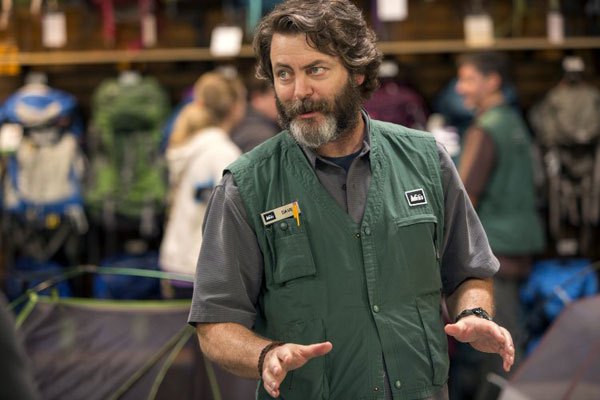
Another experience that its ups and downs was Offerman’s small role in Sin City, in which he shared a scene with Bruce Willis — who Offerman has both praise and criticism for. He explains, “I’m a huge fan of comic books and graphic novels. It was a really big deal to audition for Robert Rodriguez in a hotel room at the Four Seasons. I didn’t hear anything for two months and then I got a call, ‘You got the job.’ I was over the moon. Getting to work with Bruce Willis was a great education, both good and bad. He’s amazing at what he does, but he’s perhaps not the greatest collaborator. We spent a lot more time with his stunt double. Bruce would come in at the end and say the line once and then go back to his trailer. It was a — or not treat them.”
(via)
How To Be An Actor Without Limits

There are two kinds of beliefs that you inadvertently use to limit yourself…
1.-Self-imposed limits
These are limits you place on yourself. They come in the form of negative mind chatter suggesting you’re not good enough, not worthy of success, not pretty enough, not tall enough, not [fill in the blank] enough…
2. Limits from other people
REMEMBER, limiting thoughts are contagious, like a virus.
How to escape the cycle of limitations
First, allow yourself to recognize these limiting beliefs (both the self-limiting ones and the ones you pick up from others).
Look for beliefs you want to model. Take notes and find nuggets of encouragement – views that make you feel good, and help you become aware of the thoughts that make you feel bad.
(via)
How Does Mahershala Ali Get Into Character?
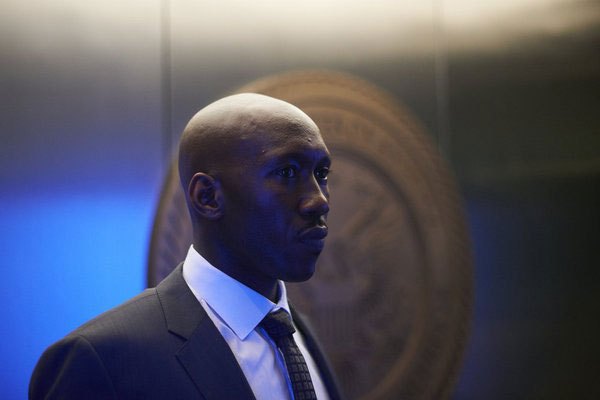
As Ali has spoken out before, one way he gets into character — especially while working on multiple projects at once — is that he makes music playlists for each individual character. He points out that he makes lists based on “Music that he would respond to, music that reflects the world he’s living in, things he would have listened to growing up or whatnot. They help focus me very quickly, almost like a meditation. It especially helps if you’re working on a couple of things.”
In addition to making playlists, Ali also focused on getting to know his Moonlight character on a deeper level in order to make the most of the character’s limited screentime. He explains, “I found myself thinking of him as a spirit first, strange as that might sound, and engaging in conversations with him. Finding out what it was I needed to know about, what he needed to say… Alone in my office, walking around just talking with him, and even going for walks. I haven’t approached it in that way before, and I wasn’t sure if it was OK to do that! But then at the end of the day, I never know what I’m doing.”
(via)