• Skip to primary navigation
  • Skip to content

RESPIRO E MOVIMENTO®

DISCOVER YOUR REAL POTENTIAL

  • Book a session
  • Events
  • Testimonials
  • Blog
  • Gallery
  • Media
  • Contact

Acrobats On The Empire State Building

May 5, 2016 By Respiro E Movimento · Follow us: Facebook · Twitter · Instagram · YouTube

acrobats ESB

Acrobats On The Empire State Building New York, USA – 1934

Photograph by Otto Bettman.

Filed Under: ACROBAT, NYC, PHOTOGRAPHY

Anatomy Of A Pointe Shoe

May 5, 2016 By Respiro E Movimento · Follow us: Facebook · Twitter · Instagram · YouTube

undershoe-small1

Back view of a “traditional” pointe shoe.


top-small

Top view of a “traditional” pointe shoe.

Irrespective of brand, pointe shoes are typically composed of the same parts. We have illustrated this section with pictures of Capezio Pavlowas:

  • Most shoes have a stiff box – or block – made with layers of fabric, paper and glue (very much like papier-mâché), whose stiffness will vary depending on the shoe’s model, width and length.
  • As the box extends over the toes, it encases them and gives them a supporting platform upon which the dancer stands.
  • Halfway into the foot, the box’s upper layer of satin, leather and/or canvas forms the upperwhich is joined to the outer sole by a series of pleats.
  • The area covering the toes is known as the vamp. The edge of the shoe can be lined with adrawstring to help adjust the foot.
  • The inner shoe is lined with canvas.
  • Underneath the shoe,  a small thin leather sole allows for flexibility. Most models have a full sole, but some have split soles or soles combining leather and fibre to increase shoe pliability and improve foot articulation.
  • Between the outer and the inner soles a hard spine made of leather or a more resilient synthetic material – the shank – forms the shoe’s core. A full shank runs the length of the sole. Ideally it should be hard yet supple and conform to the dancer’s arch.


(via)

Filed Under: BALLET, BALLET DANCERS, POINTE SHOES

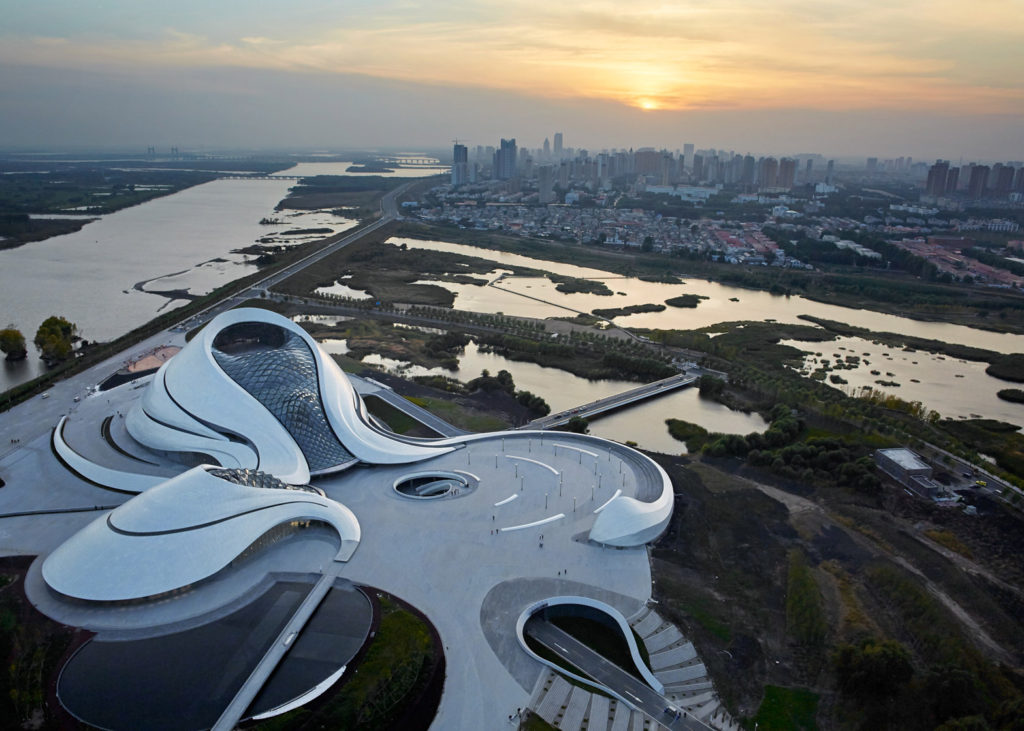
Stunning Harbin Opera House

May 4, 2016 By Respiro E Movimento · Follow us: Facebook · Twitter · Instagram · YouTube

Harbin-Opera-House_MAD-Architects_Beijing_Hufton-Crow_dezeen_1568_15


Harbin-Opera-House_MAD-Architects_Beijing_Hufton-Crow_dezeen_1568_16Photograph by Hufton & Crow


Harbin-Opera-House_MAD-Architects_Beijing_Hufton-Crow_dezeen_1568_17

Photograph by Adam MØRK.


(via)

Filed Under: ARCHITECTURE, OPERA HOUSE, PHOTOGRAPHY

What Is A Mechanical Royalty?

May 4, 2016 By Respiro E Movimento · Follow us: Facebook · Twitter · Instagram · YouTube

In a nutshell: every time a song you’ve written is manufactured to be sold in a CD, downloaded on a digital music retail site, or streamed through services like Spotify and Apple Music, you are owed a mechanical royalty.

(via)

Filed Under: MUSIC, MUSICIANS, ROYALTY

Opera Voices and Their Ranges

May 4, 2016 By Respiro E Movimento · Follow us: Facebook · Twitter · Instagram · YouTube

Opera voices and their ranges

In opera, you can subdivide the human voice into dozens of finely differentiated categories, but the above figure shows the Big Six and their ranges shown on a piano keyboard.

(via)
Filed Under: LEARNING, OPERA, OPERA SINGERS

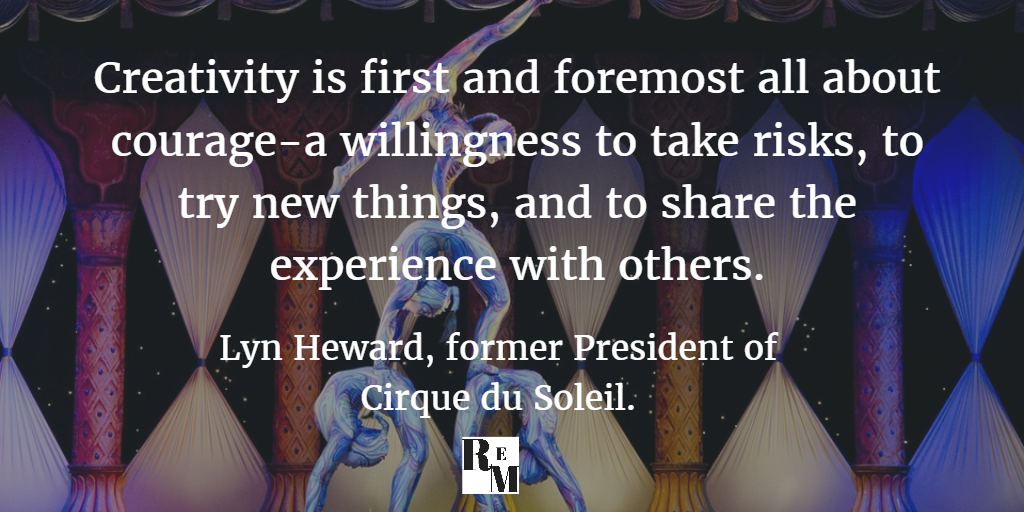
Creativity Means Courage

May 3, 2016 By Respiro E Movimento · Follow us: Facebook · Twitter · Instagram · YouTube

creativity

Filed Under: ACROBAT, COURAGE, CREATIVITY, RISK-TAKING

What Music Is For

May 3, 2016 By Respiro E Movimento · Follow us: Facebook · Twitter · Instagram · YouTube

what music is for

Miranda Wilson, an internationally performing cellist, says,

Music is not a daily vitamin or a nasty vegetable that you have to eat before you can have ice cream. Music is worth studying because music is wonderful.

Music isn’t just wonderful. It’s sublime, profound, challenging, polarizing, life-changing. Brain scientists have demonstrated that music activates our pleasure circuits.

Music is dangerous.

Music is so dangerous that even a dissonant interval between two notes–the tritone–was considered so subversive by the medieval church that they called it the “devil in music.” The implication is clear: music breaks rules. Music is above the law.

Music affords us a chance to create beauty in a world that is full of ugliness.

Photograph by Dasha.

(via)
Filed Under: MUSIC, MUSICIANS

  • « Previous Page
  • Page 1
  • …
  • Page 199
  • Page 200
  • Page 201
  • Page 202
  • Page 203
  • …
  • Page 210
  • Next Page »

Copyright © 2026 · Respiro e Movimento®· All rights reserved

  • Facebook
  • Twitter
  • Instagram
  • YouTube