Interview: Carl Topilow, Conductor
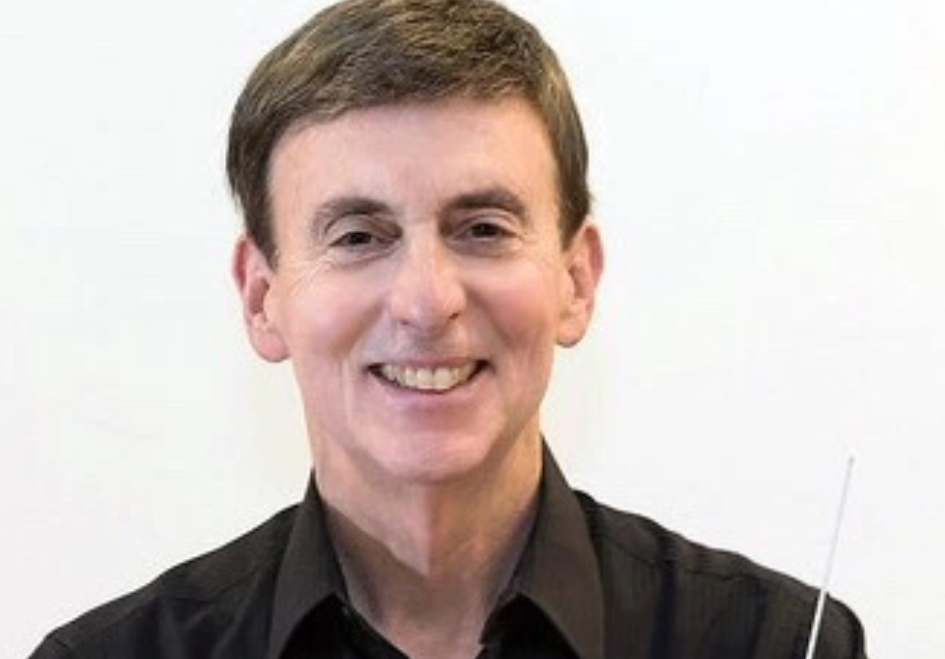
What do you consider to be the most important ideas and concepts to impart to aspiring musicians?
Each orchestral musician needs to be aware of his or her role within each phrase – are you playing the melody, countermelody, harmony, rhythmic pulse – and the relative importance of each. Note lengths, articulation, phrase direction – listening to your fellow orchestra members and fitting your part appropriately.
The difficulties of establishing a career in music, not to put all your eggs in one basket. Have lofty goals, but also alternative plans should they not come to fruition. Finding what you need to do while working toward these goals, effective practicing, performing as much as possible, coping with audition stress, if that’s your chosen career path. Cultivating other interests, finding out if teaching is fulfilling to you.
(via)
The 4 Ways Sounds Affects Us
The Key To Life
Leonard Bernstein Presents “The Greatest 5 Minutes in Music Education”
Interview: Costantino Catena, Pianist
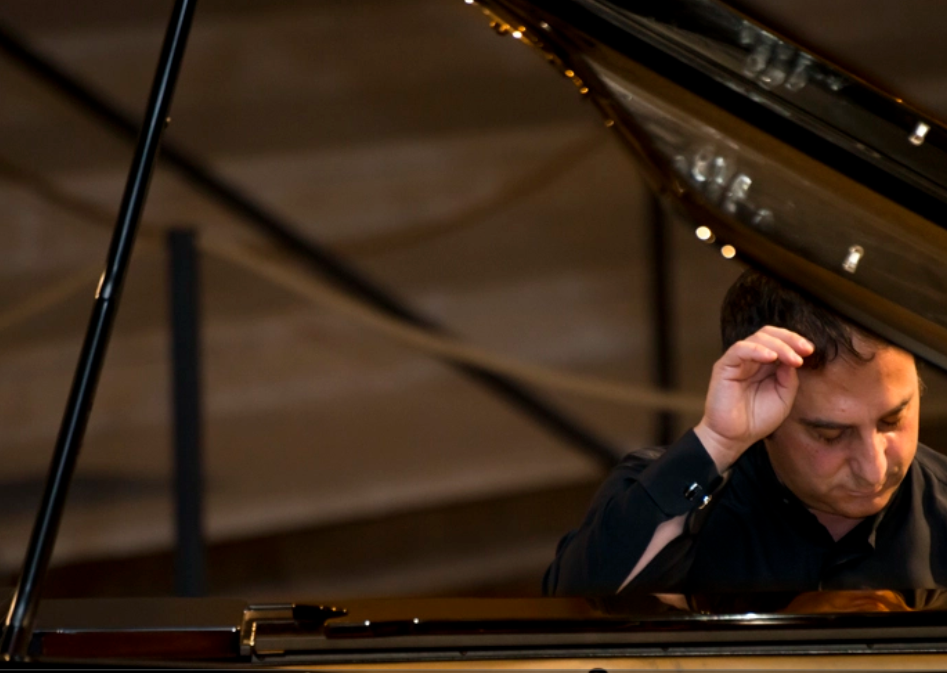
What do you consider to be the most important ideas and concepts to impart to aspiring musicians?
Perhaps aspiring musicians should be more concerned with managing their fears and emotions, a very common but also very underrated problem. The growth of a musician goes from being able to express their emotions so that they reach the public, and if there is something that blocks them it will always leave an impression of incompleteness and immaturity. However, there are methods to deal better with the “fear” of the stage: first of all it is the preparation. Often – especially it is true for young people – they tend to exercise mechanically, letting their hands be above the brain. Also, when they study at home, they do not take into account what’s going to happen in public, they are too relaxed and underestimate the pieces and the scope of what they are going to do.
When you are studying at home, in short, you are smart and relaxed; in public, however, there are so many factors that make it difficult to maintain concentration. If memory is based only on nerve and muscle connections, without a real awareness, the anxiety can collapse everything. So, first of all, solid preparation is crucial. The second point is the origin of fear, which is not related to the public, but to the image that we have of ourselves: we are afraid to be judged and we question ourselves.
Negative experiences can have important repercussions on our ego, and it’s important to learn to have confidence in yourself with the help of your teacher and with a good public presentation strategy. Often the public is confronted in the same way you might go to the scaffold, amplifying the feeling of inadequacy and tension that end up worsening the control of the nerves. A more “friendly” attitude and being open to the public can certainly help to improve our fear management.
(via)