Interview: Daniel Martyn, Pianist
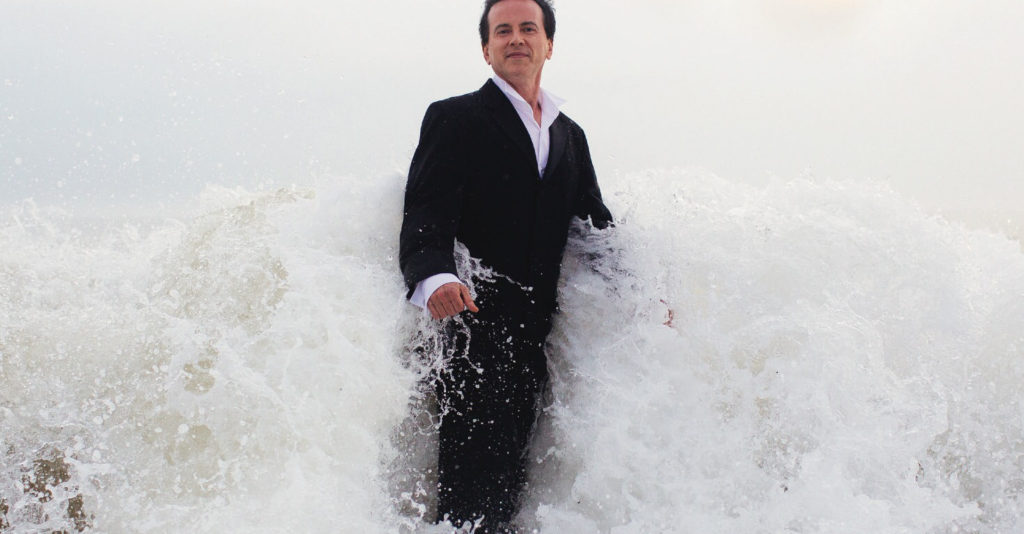
Who or what inspired you to take up the piano, and pursue a career in music?
My wonderful mother was a passionate amateur pianist, and she joyfully shared her playing with me when I was still in the womb! A little later, she taught me to sing melodies before I could speak. She also composed melodies to represent individual words, and taught me to communicate in this way. Also my father played the violin, and the house was always full of live and recorded music. I’ve always had a deep emotional connection with the language of music, and Bach’s in particular. So any other profession? Impossible!
Who or what have been the most important influences on your musical life and career?
There have been many powerful influences which have shaped my artistic priorities and my development as an interpreter. Despite being privileged to have excellent piano professors (such as John Lill and Arnaldo Cohen), after a number of years I came to the realisation that I must devote my life to early music. So as a pianist, I decided to move away from piano repertoire.
The single most influential individual has been the harpsichordist-organist-scholar David Ponsford. My lessons on the harpsichord were a revelation, and through this knowledge I was inspired to create a vocabulary of sound and expression on this beautiful modern instrument which allows me the greatest emotional freedom.
Listening to other early instrument performers has also been a primary influence. Anner Bylsma, John Eliot Gardiner, Michael Chance, Philippe Herreweghe, and of course Gustav Leonhardt (one of David Ponsford’s professors) … these are only a few names which immediately come to mind with reference to my development.
I would also mention the work of certain musicologists, such as Yo Tomita whose name is synonymous with Bach research.
(via)
Zach Galifianakis on ‘Baskets’
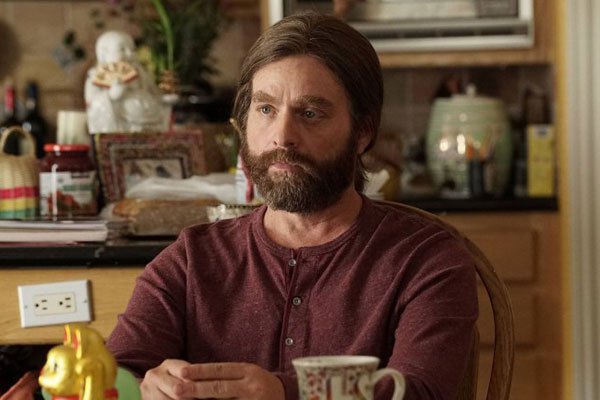
Taking the central role, Galifianakis plays a clown school dropout, who has moved back home, and now spends his time trying to one up his twin brother as they vie for their mother’s attention. While essentially a comedy, Baskets is at times quite dramatic and bleak. In fact, like all good comedy, it borders so close on being a tragedy that sometimes it’s hard to distinguish between the two, Galifiankis acknowledges that it’s not to everyone’s tastes, but for him as an actor, he wanted to move into more dramatic roles.
“The Hangover movies were — it was a really wonderful time. But that’s a character. That Alan guy was a big, big, loud, dumb character. Dumb I can do. Not to sound too pretentious or actor-y, but you want to kind of challenge yourself. As a comic — as a fat, bearded comic — you can paint yourself into a corner. And this town wants to do that because it’s a copycat business. The entertainment business is very copycat. And you can do that for a few years, rely on that, but then, you know, if you want a longer career you try to change things up as much as you’re allowed to.”
(via)