OPERA
Kiri Te Kanawa ~ Dove Sono I Bei Momenti
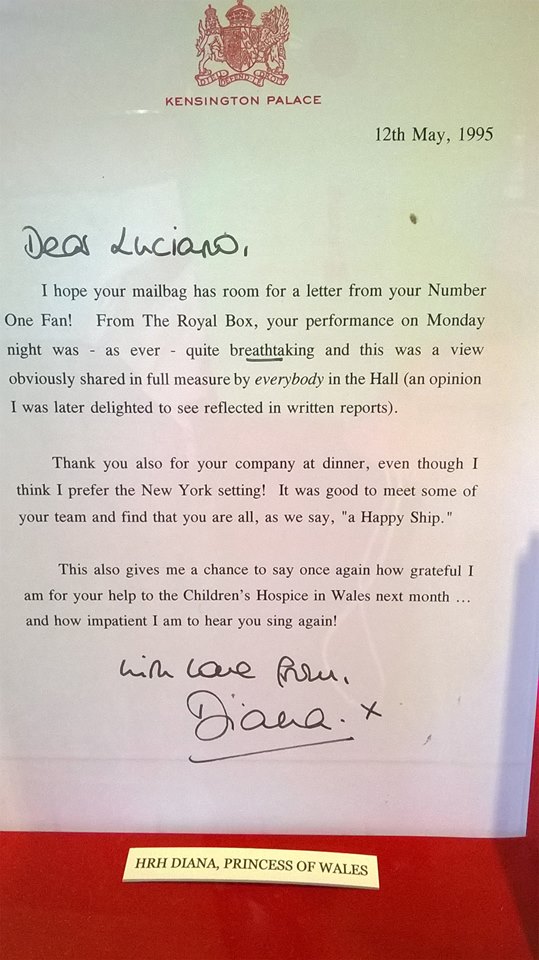
Princess Diana’s Letter To Pavarotti
How to become an opera director

‘Before taking on this placement, I had plenty of experience of working in theatre – as both Assistant Director and Director – but none in opera’, says Ellie Taylor who has recently completed an observership.
‘I was lucky enough to be offered a placement with The Royal Opera’s Staff Directing department, and worked on the recent revival of Nabucco starring Plácido Domingo. As well as working on a production featuring one of the world’s greatest singers, I had the opportunity to shadow the Revival Director and work closely with other members of staff including the Movement Director. After an initial period of getting used to the opera world’s way of working, I had the opportunity to become more actively involved, which was fantastic’.
‘There’s a myth that you can only be a theatre or opera director, and that at some point you have to choose between the two. Obviously different art forms have different inherent conventions, but fundamentally you’re still telling a story, with the aim to create the best possible world for the tale to emerge from. As long as you embrace the rehearsal room, and are willing to be challenged, you’ll find your way from page to stage’.
(via)
LA BOHÈME ~ Quando m’en vò
Leo Nucci Alla Scala – Ballo In Maschera
The Opera Manual


The Opera Manual is the only single source for the answers to these and other important questions.